

Sweden Agriculture Overview: April 2026
Sweden agriculture statistics 2026 Sweden agriculture statistics 2026 As of April 2026, the agriculture sector in Sweden is going through a highly active and evolving phase. The spring planting season has begun across most regions, bringing new opportunities for farmers, but at the same time, they are facing significant challenges such as rising input costs, unpredictable climate conditions, and increasing pressure on profitability.
In addition, the government is placing a stronger emphasis on food security and long-term sustainability, introducing new policies and budget support to strengthen the sector. These combined factors are shaping the current agricultural landscape in Sweden.
Spring Planting & Winter Damage
Sweden agriculture statistics 2026 show that spring fieldwork is currently in full swing across Sweden, especially in the southern regions where weather conditions are comparatively favorable. Farmers are actively engaged in soil preparation, sowing, and early-stage crop management as the new agricultural season begins.
However, the extremely cold winter conditions have negatively affected crops in several regions. The lack of sufficient snow cover during winter exposed crops to harsh temperatures, resulting in noticeable damage, reduced crop survival rates, and slower early growth. This has created additional pressure on farmers, particularly in central and western parts of Sweden. Sweden agriculture statistics 2026 also highlights the regional differences in crop impact and recovery rates.
Key Points:
- Cold winter without snow cover → damage to autumn-sown crops
- Higher losses in central and western Sweden
- Planting continues relatively normally in southern regions
Food Security Focus 2026 Budget
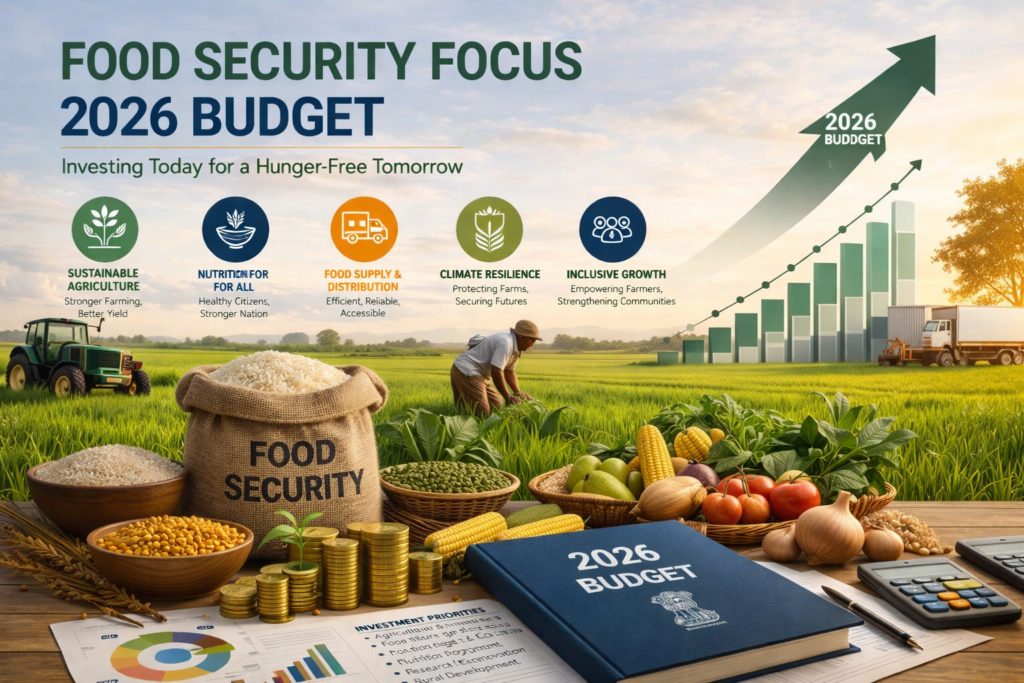
Sweden agriculture statistics 2026 show that the Swedish government is focusing strongly on improving food security as a key national priority. With increasing global uncertainties and supply chain disruptions, the government is taking proactive steps to ensure a stable and reliable food system within the country.
The 2026 budget includes several major initiatives that indirectly support the agriculture sector, aiming to strengthen resilience, reduce dependency on imports, and enhance long-term sustainability. These efforts are expected to provide better support for farmers while ensuring consistent food availability for the population. According to Sweden agriculture statistics 2026, these policy measures are part of a broader strategy to build a more secure and self-sufficient agricultural system.
Key Points:
- SEK 3 billion allocated for 2026
- Development of food contingency reserves
- Increased focus on self-sufficiency
Market Vulnerability
Sweden agriculture statistics for 2026 indicate that Swedish agriculture depends heavily on international supply chains, especially for fertilizers, making the sector highly vulnerable to global disruptions. Since there is limited or no domestic production of key agricultural inputs, farmers rely significantly on imports to sustain their operations.
This dependency exposes the agriculture sector to external risks such as geopolitical tensions, trade restrictions, and fluctuations in global prices. As a result, any instability in international markets can directly impact farming costs, production planning, and overall agricultural sustainability in Sweden.
Key Points:
-
No domestic fertilizer production
-
High dependency on imports
-
Global instability increases farming risks.
VAT Reduction on Food
Sweden agriculture statistics for 2026 show that from April 1, 2026, Sweden has reduced VAT on food, which is expected to have a positive impact on both consumers and the agricultural market. This policy change aims to make essential food items more affordable while also supporting overall market demand.
By lowering VAT, the government is trying to ease the financial burden on households and improve purchasing power. At the same time, this move can benefit farmers and producers by increasing consumption levels, which may lead to better sales and improved market stability across the agriculture sector.
Key Points:
-
VAT reduced from 12% to 6%
-
Helps in lowering food prices
-
Potential increase in demand
Grass Fire Risk Warning
Sweden agriculture statistics for 2026 indicate that due to dry spring conditions, the risk of grass fires has increased significantly, creating serious concern for farmers across several regions. Lower moisture levels in the soil and vegetation have made fields more vulnerable, especially during periods of strong winds and rising temperatures.
These conditions can lead to the rapid spread of fire, posing a direct threat to crops, farmland, and nearby rural infrastructure. Farmers are now required to take extra precautions and closely monitor weather updates to reduce potential damage and protect their agricultural activities.
Key Points:
-
High grass fire risk (mid-April warning)
-
Dry fields → easy spread of fire
-
Increased risk to crops and farmland
International Collaborations
Sweden agriculture statistics 2026 highlight that Sweden is hosting several international agriculture conferences focused on innovation, sustainability, and research. These events are bringing together experts, policymakers, and industry leaders from around the world to discuss the future of agriculture and explore new solutions for global challenges.
Such conferences play a key role in promoting advanced farming techniques, improving productivity, and encouraging environmentally sustainable practices. They also create valuable opportunities for collaboration, knowledge exchange, and the adoption of modern technologies within the agriculture sector. Sweden agriculture statistics 2026 also reflects the growing importance of global partnerships in strengthening the country’s agricultural development.
Key Points:
- Events in Stockholm and Malmö
- Discussions on biodiversity and productivity
- Global knowledge sharing and collaboration
Conclusion
Sweden agriculture statistics 2026 indicate that in April 2026, Sweden’s agriculture sector is in a mixed phase. On one side, there is modernization and strong government support, while on the other, farmers face cost pressures and climate challenges. However, with a strong focus on food security and innovation, Sweden agriculture statistics 2026 also reflects that the country is steadily building a resilient and future-ready agricultural system.


3 Comments
Wonderful article! Just wanted to share that Free Image Generator (https://freeimagegenerator.app/) is a great complementary tool.
Check out Free Image Generator for more.
Excellent content! Running ad campaigns used to drain our team’s energy until we found FreeVideoGenerator.io (https://freevideogenerator.io). The UGC Ad Video feature is brilliant — upload a product image, type a quick prompt, and you get an authentic-looking video ad in minutes.
Excellent write-up! For marketers reading this, Pixwit (https://pixwit.ai) has a killer feature: paste any product URL and it auto-generates a polished marketing video. Their UGC ad video tool is also fantastic for social media campaigns. Saves hours every week.